
"according to species"
7000 article(s) found
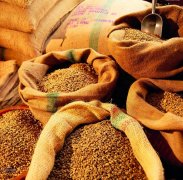
Knowledge about coffee botany
According to the botanical description of coffee: coffee is Rubiaceae, coffee genus, perennial evergreen shrubs or small trees. There are more than 60 types of coffee classified, but there are roughly two varieties of coffee grown commercially on a large scale, one is Arabica, accounting for about 70 percent of the world's coffee planting area, and the other is Robasta, accounting for about 30 percent of the world's coffee planting area. According to our country

Basic knowledge of coffee botany
According to the botanical description of coffee: coffee is Rubiaceae, coffee genus, perennial evergreen shrubs or small trees. There are more than 60 types of coffee classified, but there are roughly two varieties of coffee grown commercially on a large scale, one is Arabica, accounting for about 70 percent of the world's coffee planting area, and the other is Robasta, accounting for about 30 percent of the world's coffee planting area. According to our country

Boutique Coffee knowledge about Coffee Botany
According to the botanical description of coffee: coffee is Rubiaceae, coffee genus, perennial evergreen shrubs or small trees. There are more than 60 types of coffee classified, but there are roughly two varieties of coffee grown commercially on a large scale, one is Arabica, accounting for about 70 percent of the world's coffee planting area, and the other is Robasta, accounting for about 30 percent of the world's coffee planting area. According to our country

Basic knowledge of fine coffee basic knowledge of coffee botany
According to the botanical description of coffee: coffee is Rubiaceae, coffee genus, perennial evergreen shrubs or small trees. There are more than 60 types of coffee classified, but there are roughly two varieties of coffee grown commercially on a large scale, one is Arabica, accounting for about 70 percent of the world's coffee planting area, and the other is Robasta, accounting for about 30 percent of the world's coffee planting area. According to our country
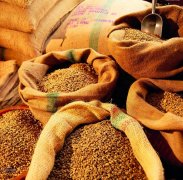
The knowledge of coffee botany is mainly divided into the following five varieties
According to the botanical description of coffee: coffee is Rubiaceae, coffee genus, perennial evergreen shrubs or small trees. There are more than 60 types of coffee classified, but there are roughly two varieties of coffee grown commercially on a large scale, one is Arabica, accounting for about 70 percent of the world's coffee planting area, and the other is Robasta, accounting for about 30 percent of the world's coffee planting area. According to our country

A brief introduction to the three native varieties of coffee introduction to the taste of Hawaiian Kona Tieka Coffee
Professional coffee knowledge exchange more coffee bean information please follow the coffee workshop (Wechat official account cafe_style) Qianjie coffee three varieties, derived species of Hawaiian Kona coffee according to the scientific biological classification system, coffee belongs to the plant kingdom, Rubiaceae, coffee genus, coffee species. Species is the basic unit of plant taxonomy, divided according to the nature or characteristics of the plant itself.

Figure out what ingredients raw coffee beans are made of.
In raw coffee beans, moisture accounts for 9% to 13%, and moisture has little effect on the aroma of coffee beans. Later, I will introduce the content of various ingredients (calculated according to the state of dried raw beans). When the share of these ingredients changes, the flavor of coffee beans will also change greatly. The most abundant ingredient in polysaccharide raw beans is polysaccharides, accounting for 35% and 4%.
Classification of coffee according to Chinese national standards
According to our national standards, the classification of coffee is mainly divided into the following five varieties.
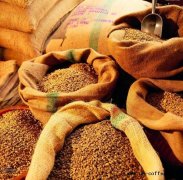
Knowledge of coffee botany.
9bf95f67gw1dzk8j7xbi4j.jpg (135.26 KB, downloads: 0) download attachment to photo album 2012-12-7 09:12 upload according to botanical description of coffee is: coffee is Rubiaceae, coffee, perennial evergreen shrubs or small trees. There are more than 60 types of coffee, but there are roughly two varieties of coffee grown on a large scale.
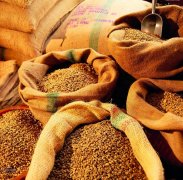
Knowledge of coffee botany basic knowledge of fine coffee
According to the botanical description of coffee: coffee is Rubiaceae, coffee genus, perennial evergreen shrubs or small trees. There are more than 60 types of coffee classified, but there are roughly two varieties of coffee grown commercially on a large scale, one is Arabica, accounting for about 70 percent of the world's coffee planting area, and the other is Robasta, accounting for about 30 percent of the world's coffee planting area. According to our country

The basic knowledge of coffee beans coffee three original species introduction
Coffee belongs to the evergreen shrubs of the genus Coffee of Rubiaceae, centered in tropical regions, with about 500 genera and 6000 species of Rubiaceae plants distributed here. Coffee has long been thought to have certain medicinal effects, such as invigorating stomach, refreshing mind, stopping bleeding, dissipating heat, strengthening body, etc. More famous Rubiaceae plants and gardenia, its fruit has long been dried as medicine

Native Ethiopian coffee native species Ethiopian coffee bean species
Professional coffee knowledge exchange more coffee bean information please follow the coffee workshop (Wechat official account cafe_style) in the global coffee, Arabica species account for about 70% of the total output, has important commercial value. Arabica species spread to all parts of the world from the Arabian Peninsula, and subspecies such as Tibica species and slope species appeared according to the route of transmission, followed by mutation and crossing.

Coffee botany knowledge-Malaysia Coffee City White Coffee
According to the botanical description of coffee: coffee is Rubiaceae, coffee genus, perennial evergreen shrubs or small trees. There are more than 60 types of coffee classified, but there are roughly two varieties of coffee grown commercially on a large scale, one is Arabica, accounting for about 70 percent of the world's coffee planting area, and the other is Robasta, accounting for about 30 percent of the world's coffee planting area. According to our country

Introduction to the origin, characteristics, flavor and taste of coffee beans
At present, the main tree species planted are Arabica species, Robusta species (Carneva species) and Liberika species. It can be subdivided into dozens of varieties, which will be distinguished in production, circulation and trading. Even in the same producing country, there will be subtle effects on the flavor and quality of coffee beans because of the differences in climate, altitude and soil quality in different regions.

What ingredients are raw coffee beans made of?
In raw coffee beans, moisture accounts for 9% to 13%, and moisture has little effect on the aroma of coffee beans. Later, I will introduce the content of various ingredients (calculated according to the state of dried raw beans). When the share of these ingredients changes, the flavor of coffee beans will also change greatly. The most abundant ingredient in polysaccharide raw beans is polysaccharides, accounting for 35% and 4%.

What ingredients are raw coffee beans made of?
What ingredients are raw coffee beans made of? In raw coffee beans, moisture accounts for 9% to 13%, and moisture has little effect on the aroma of coffee beans. Later, I will introduce the content of various ingredients (calculated according to the state of dried raw beans). When the share of these ingredients changes, the flavor of coffee beans will also change greatly. Content in polysaccharides raw beans
Coffee botany
There are more than 60 kinds of coffee, but there are roughly two varieties of coffee grown commercially on a large scale, one is Arabica, accounting for about 70 percent of the world's coffee planting area, and the other is Robasta, accounting for about 30 percent of the world's coffee planting area. According to our national standards, the classification of coffee is mainly divided into the following five varieties. 1. Small seed coffee, that is, Arabian species. Originated in Ethiopia

The basics of coffee beans
Coffee belongs to the evergreen shrub of the genus Rubiaceae, which is centered in the tropics. There are about 6000 species of Rubiaceae belonging to 500 genera. Coffee has always been thought to have certain effects, such as strengthening the stomach, waking up the brain, stopping bleeding, dissipating heat, strengthening the body, and so on. The more famous Rubiaceae plant is Gardenia jasminoides, whose fruit was dried and used as medicinal material a long time ago.
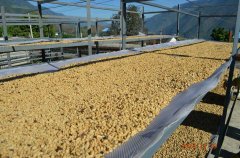
Coffee three native species Arabica species: Ethiopia 90+levelup Flower language Sunlight Sidama
Coffee belongs to Rubiaceae coffee evergreen shrubs, tropical regions as the center, about 500 genera 6000 species of Rubiaceae plants distributed in this. Coffee has long been considered to have certain medicinal effects, such as stomach, mind, hemostasis, heat dissipation, physical strength and so on. There are about 40 species of plants in the genus Coffea, but only Arabica, Robusta and Libby can produce coffee beans with commercial value.

El Salvador Coffee Manor Coffee Tree species Arabica species
1 Ruth Anny Ruth introduces the LOMA LAGLORIA of the manor; 2, the coffee trees in El Salvador are mainly Bourbon and Pacas, whose coffee taste is refreshing and balanced, which is divided into three grades according to the altitude, namely SHG (Strictly High Grown), SG (High Grown) and SC (Central Standard). It is worth mentioning